Is Art Basel Still a Leading Force in the Art World?
Art Basel faces new competition and evolving market trends as digital art rises and Paris gains prominence as a contemporary art hub.

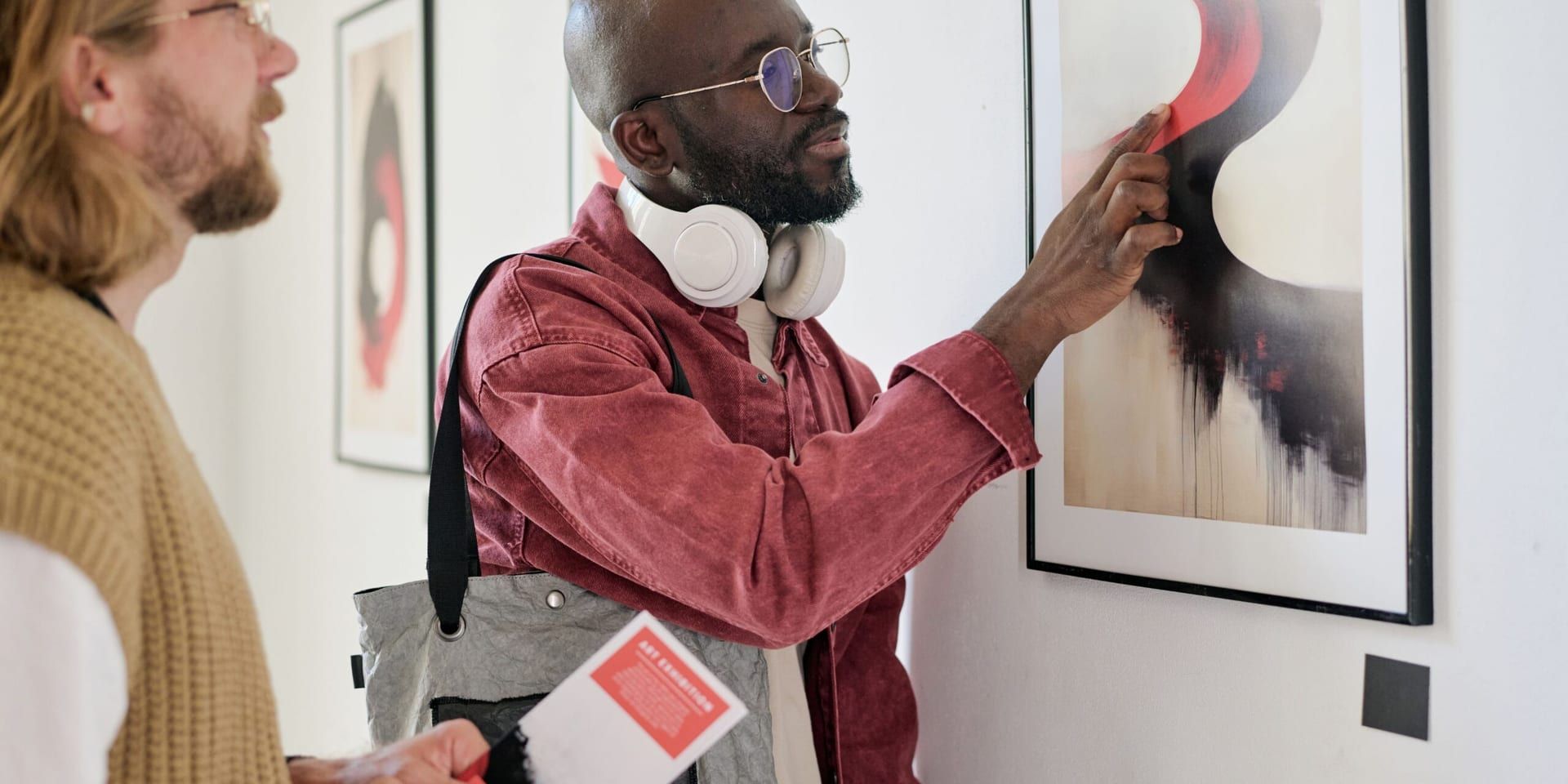
Once the undisputed leader among contemporary art fairs, Art Basel in Switzerland has recently faced scrutiny about its continued dominance. Once a magnet for art enthusiasts, curators, and collectors, its preeminence is now challenged by a shifting art market landscape and new competitors.
Art Basel's traditional format is being pressured by digital innovations, the rise of socially-conscious art, and a prominent newcomer: its Paris edition. As the art world evolves, so must Art Basel to maintain its influential status.
Paris Edition: A New Rival
Art Basel Paris has emerged as a noteworthy competitor to the original Swiss edition. Launched in the heart of the French capital, the Paris fair offers a unique blend of historical gravitas and contemporary flair, a combination that is quickly attracting the attention of the global art community.
Paris's deep-rooted ties to the arts provide a compelling alternative to Basel, drawing in diverse galleries and collectors eager for a fresh experience. The city’s cultural prestige enhances its appeal, making it a formidable counterpart to the established Swiss event.
Market Evolution: Digital and Experiential Art
The art market's transformation has seen a rise in demand for digital and experiential pieces, overshadowing traditional forms. Art Basel has started including more immersive and digital works, reflecting these trends, yet some argue it hasn't fully embraced the digital shift.
As online art platforms gain popularity, the necessity of physical fairs is being questioned. Art Basel's foundational emphasis on in-person exhibitions faces challenges as collectors increasingly favor the convenience of digital engagement.
Shifting Social Dynamics
The call for diversity and inclusivity is reshaping the art world, compelling institutions like Art Basel to confront their established practices. Historically exclusive, the fair is under pressure to better represent varied voices among artists and collectors.
Embracing these social changes, Art Basel is urged to redefine its image to resonate with broader, more inclusive audiences. This transformation is crucial for maintaining relevance amid an art world increasingly concerned with equity and transparency.
Pandemic-Induced Changes
The COVID-19 pandemic has left a lasting impact on Art Basel, prompting an embrace of digital platforms as in-person gatherings were curtailed. While physical attendance has resumed, the shift towards online experiences remains significant.
Collectors, now accustomed to virtual art dealings, may find it challenging to justify the effort of attending far-flung fairs. As digital conveniences persist, traditional setups like Basel's face the task of proving their unique value in a transformed landscape.
To secure its future, Art Basel must adapt to these evolving conditions by fostering digital innovations and embracing social change. Its ability to remain at the forefront of the art world will hinge on how it navigates these evolving dynamics.

Insider Magazine Contributor
Juno Alvarez
Covers culture and the arguments around it — books, music, film and the ideas that outlast the news cycle.
This article features partner, contributor, or branded content from a third party. Members of the Insider Magazine editorial staff were not involved in the creation of this content. All views and opinions are those of the contributor alone.