Macy's Advances with Strategic Store Closures and Expansions
In a strategic pivot, Macy's plans to shutter 66 stores and bolster its presence with new Bloomingdale's and Bluemercury locations.

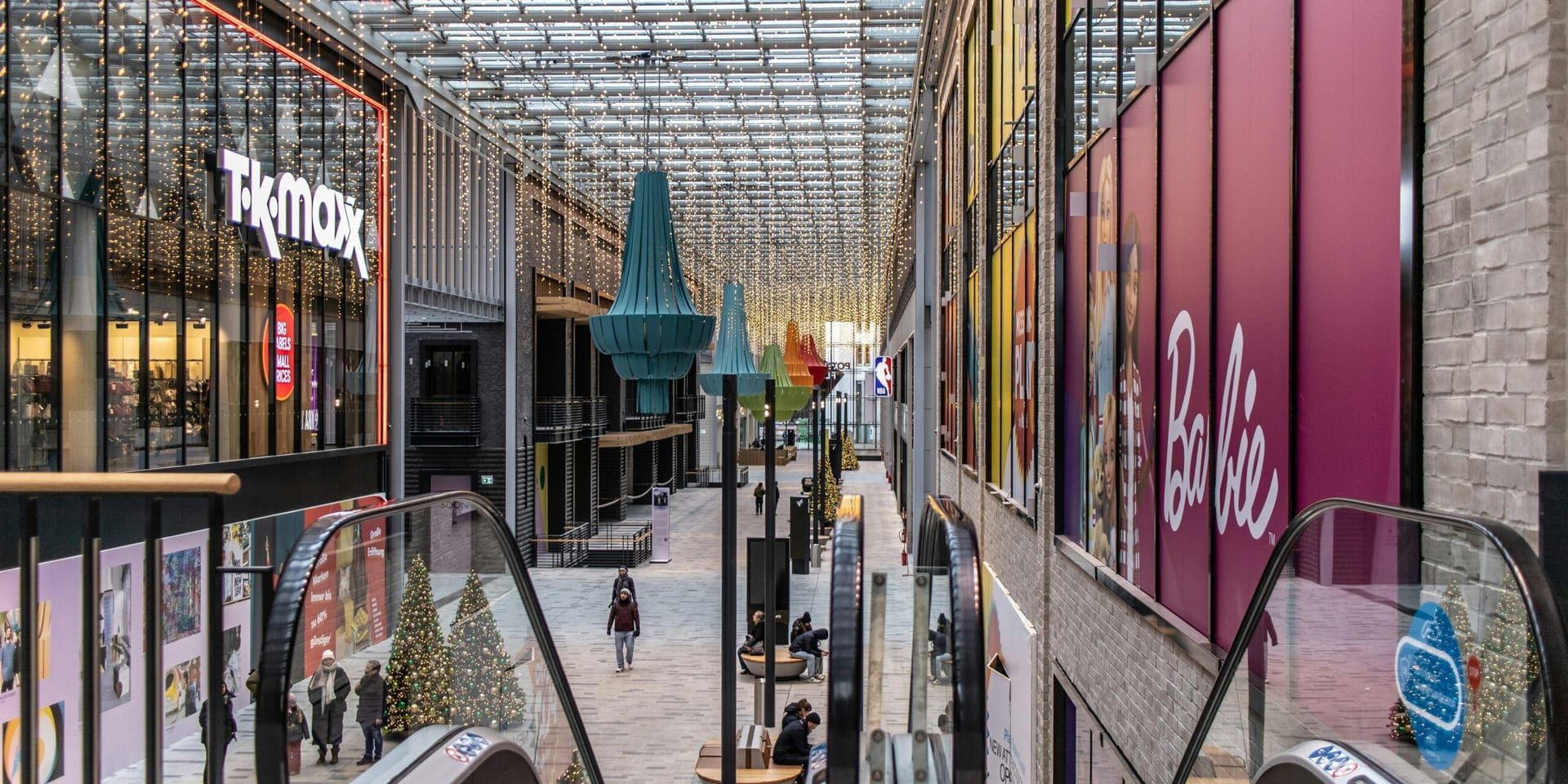
Macy's has announced a significant transformation plan to close 66 of its stores as part of a larger strategy to reshape its retail approach. This move is a part of a larger plan addressing shifts in consumer behavior and the evolving landscape of the retail industry.
Once a dominant force in American retailing, Macy's is adapting its strategy to remain relevant in a world where online shopping competes fiercely with traditional brick-and-mortar stores. This pivot reflects broader patterns seen across the retail sector.
Challenges in the Retail Landscape
The retail industry has been under pressure from several directions, including the rise of e-commerce and changing consumer preferences. Iconic department stores like Macy's, known for their historical presence, have been particularly affected. The decline in mall traffic, exacerbated by larger societal shifts, has compelled retailers to reassess their strategies.
As shoppers increasingly turn to online platforms for convenience, Macy's and its peers are rethinking the role of physical stores. This strategic realignment is essential to balance cost reduction with the necessity to innovate and grow digitally.
Store Closure Strategy
Within the framework of its strategic overhaul, Macy's has earmarked 66 stores for closure that have been underperforming or don't align with future growth plans. These "non-go-forward" locations have already begun closing, with the process set to continue for a period extending into the future.
This decision is part of Macy's comprehensive plan to close a total of 150 stores. Simultaneously, the company is channeling resources into 350 thriving "go-forward" locations that exhibit strong sales and customer loyalty.
Investments in Growth
While downsizing its traditional footprint, Macy's is also set to increase its reach through its Bloomingdale's and Bluemercury brands. Plans are underway to open 15 new Bloomingdale's stores and 30 Bluemercury locations in promising markets, reinforcing its brand strength and broadening its market reach.
This initiative includes remodeling existing stores to offer enhanced shopping experiences, integrating physical and digital interaction to cater to modern consumer preferences.
Omnichannel Focus and Economic Implications
Macy's recognizes the critical role of an omnichannel strategy in contemporary retail. Investments are planned for strengthening digital platforms, including mobile apps and improved customer service options like curbside pickup, thereby ensuring a seamless shopping experience.
The closure of stores, however, poses challenges for local economies and the employees affected. Macy's has committed to providing support such as severance packages and job placement assistance to help mitigate the impact on its workforce.
The company's strategic shift illustrates the broader changes within the retail sector. By focusing on stronger locations and deepening digital engagement, Macy's aims to enhance its competitive edge and sustainability.
As Macy's executes this transformation, observers are keen to see how well the company can adapt to new retail dynamics while sustaining its storied brand heritage.

Insider Magazine Contributor
Caleb Moreau
Covers wellness and business, from living well without turning it into a regimen to the companies worth watching.
This article features partner, contributor, or branded content from a third party. Members of the Insider Magazine editorial staff were not involved in the creation of this content. All views and opinions are those of the contributor alone.